
Foods with a high glycemic index and health risks
- Posted on 25/09/2023 18:17
- Film
- By abelozih@sante-education.tg
Extract from the article: Some foods have a high glycemic index (GI), which can have an impact on health if consumed excessively. The Glycemic Index (GI) is a criterion for classifying carbohydrate-containing foods according to their effect on blood sugar or glucose levels. U
Some
foods have a high glycemic index (GI), which can have an impact on health if
consumed excessively. The Glycemic Index (GI) is a criterion for classifying
carbohydrate-containing foods according to their effect on blood sugar or
glucose levels. Understanding what a high-GI food is, knowing the list of such
foods and how to avoid or replace them can contribute to a healthier, more
balanced diet.
The
Glycemic Index (GI) measures a food's ability to cause a rapid and sharp rise
in blood glucose levels. This happens because certain foods quickly release
their carbohydrates into the bloodstream, causing a rapid rise in blood sugar
levels. The GI classifies foods according to their effect on blood sugar
levels. It is measured as a percentage in relation to a reference, glucose,
which has a GI of 100. Foods with a GI above 60 are considered high GI, those
between 40 and 59 are medium GI, and those below 40 are low GI. The lower the
GI, the more recommended the food is for a healthy diet.
What
are high-GI foods?
Many
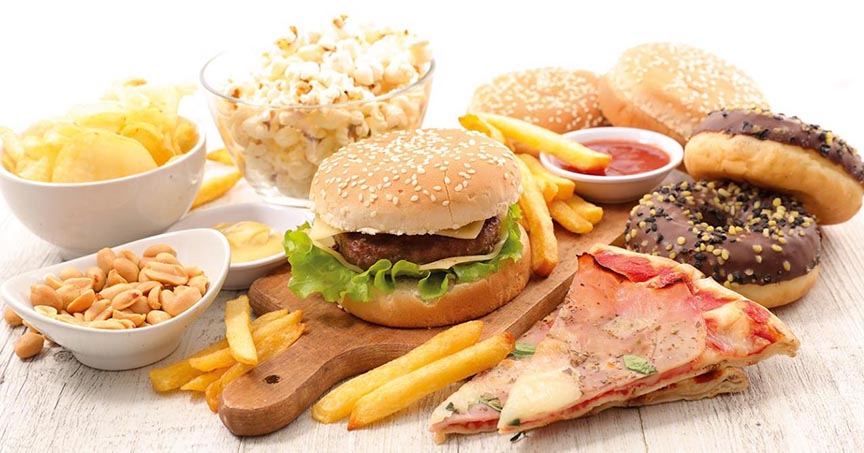
foods have a high GI.These include beer, sandwich bread, mashed potatoes, rice
flour, white bread, semolina, white wheat flour and others.Fiber content,
carbohydrate, fat and protein composition, and the degree to which a food has
been processed all influence its GI. In general, the more processed a food, the
higher its GI.This is because it lacks fiber.
Health
risks
A
diet based mainly on high-GI foods can have adverse health
consequences.Excessive sugar consumption leads to storage of sugar in the form
of fat, which can lead to unwanted weight gain.What's more, the rapid rise in
blood sugar levels followed by a drop can trigger snacking cravings and
feelings of hunger shortly after meals. Excess sugar over the long term can
also increase the risk of type 2 diabetes and cardiovascular disease.
How
to avoid high GI foods?
The
aim is not to eliminate high-GI foods altogether, but to eat a balanced and
varied diet.Taking your time to eat slowly can help regulate blood sugar
levels.The way a food is cooked can also influence its GI.Opting for gentle
cooking methods, such as steaming, can keep the GI lower.Fried foods often have
a high GI because of the oil.Replacing high-GI foodsRather than seeking to
specifically replace high-GI foods, it is advisable to favor a diet based on
whole, fiber-rich foods.Wholefoods, such as wholemeal breads and wholegrain
cereals, offer a slower release of carbohydrates, helping to keep blood sugar
levels stable.These foods also have health benefits, notably by promoting a
healthy intestinal microbiota.
Raymond
DZAKPATA
Source:
Delphine Caillon-Loger, Dietitian Nutritionist, Nantes (France)