
Honey: the best natural antibiotic
- Posted on 19/10/2023 17:32
- Film
- By abelozih@sante-education.tg
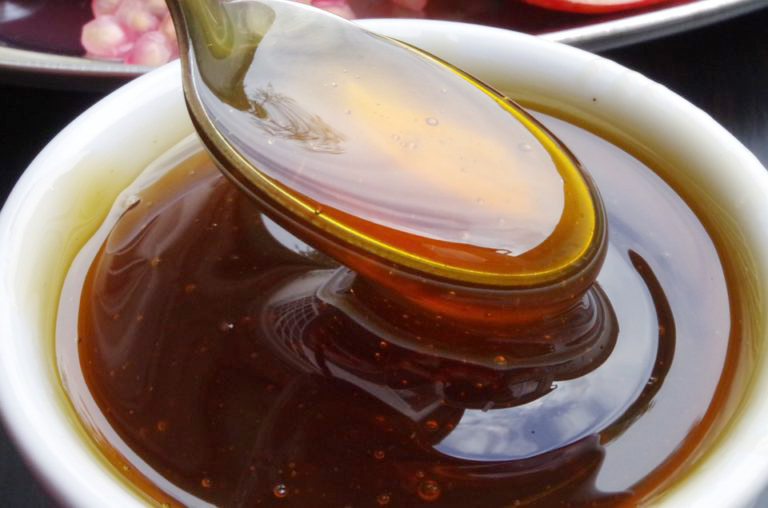
Extract from the article: Honey is a highly nutritious, sweet liquid food produced by bees from the nectar of flowers. According to nutritionists and naturopaths, this hive product has many medicinal properties and incredible health benefits. It is one of the best natural med
Honey
is a highly nutritious, sweet liquid food produced by bees from the nectar of
flowers. According to nutritionists and naturopaths, this hive product has many
medicinal properties and incredible health benefits. It is one of the best
natural medicines.
Composed
of over 80% carbohydrates, honey is an energy-rich food. These carbohydrates
are mainly fructose and glucose. These two simple sugars do not need to be
digested before being absorbed; they are easily and directly assimilated by the
body.
As
well as carbohydrates, honey contains 13 different lactic acid bacteria,
antioxidants, vitamins (K, B1, B2, B3, B6 and C) and essential minerals
(sodium, calcium, magnesium, potassium, iron, copper, iodine and zinc).
Excellent
antibiotic and antiseptic for treating wounds
Honey
has been used since ancient times to heal wounds. With the increasing problems
of antibiotic resistance in hospitals, honey is regaining importance as a means
of healing wounds, particularly in Europe.
The
study conducted by Professor Olofsson and his colleagues at Lund University
(Sweden) and published in 2014 demonstrated that the lactic acid bacteria
contained in fresh honey have strong antimicrobial activity against certain
wound pathogens. In the laboratory, certain bacteria and yeasts (Staphylococcus
aureus, Klebsiella aerogenes, Pseudomonas, Escherichia coli, etc) responsible
for serious wound infections were inhibited thanks to the effect of antibiotic
substances produced by the 13 lactic acid bacteria contained in pure honey.The
action of these substances was even stronger and more effective than that of
the antibiotics commonly used in hospitals.
These
researchers considered the findings of their study to be one of the most
important advances in understanding the clinical effects of honey in wound
management.
This
should have implications for the management of certain wounds, especially in
developing countries where fresh honey is readily available.In Togo, the honey
produced by certain beekeepers' cooperatives (Doole from Tchaoudjo, Depond-Mon
from Bassar and Hassana Gafole from Tchamba), winners of the 2023 competition
for the best honey in the central region, can be considered fresh and can be
used in the treatment of certain wounds.
As
well as the effect of the substances produced by the lactic acid bacteria in
honey, the following properties also contribute to its unique action on wound
healing: it is highly viscous and protects fresh or cleansed wounds from
contamination.Its hydrophilic effect causes the wound to drain, drawing liquids
from the bottom and surrounding area of the wound and creating a healthy, moist
environment for the wound. Through its specific effects, honey stimulates the
reconstruction of destroyed tissue, resulting in much better wound healing than
other wound treatments.
Other
uses of honey in medicine
Nutritionist
and dietician Yasmine Sandrine Zerbo shows that local honey is used in certain
African communities to: « combat harmful organisms such as salmonella,
boost the immune system and fight respiratory tract infections such as flu and
colds.Honey is also used in skin care. It helps prevent certain infections and
eliminates bacteria that can damage the skin's appearance ». Thanks to
its antioxidant molecules and probiotics, honey boosts the immune system.
« Certain
characteristics of honey, such as its low pH, its high viscosity, which limits
the dissolution of oxygen, and its low protein concentration, give it a
significant antibacterial effect. Moreover, the possibility of preventing and
treating certain minor gastrointestinal disorders such as inflammation or
gastric ulcers by oral administration of honey has not been ruled out. In fact,
honey reduces the adhesion of bacterial cells to the epithelial cells of the
intestine, preventing bacteria from attaching themselves and proliferating, in
addition to making the most of its anti-inflammatory properties »,
points out Yasmine Zerbo.
How
can I take advantage of the therapeutic benefits of honey?
In
the case of wounds or burns, apply honey directly to the affected area after
cleaning the wound with running water, without necessarily disinfecting
it.Ideally, cover the wound with a non-sticky material, then place an absorbent
layer (e.g. gauze pads) on top and secure with a bandage or dressing.Repeat the
treatment one to 3 times a day, depending on the case.
Breastfeeding
mothers can apply a little honey to their nipples after breastfeeding. This
prevents and relieves minor problems caused by infection.In the case of skin
irritation, honey can be used as the basis for a massage.
To
disinfect the body, mix one or two spoonfuls of honey with a glass of lukewarm
water and lemon juice. To prevent heartburn, mix a spoonful of honey with two
spoonfuls of apple cider vinegar in a glass of water. Then drink the mixture.
To
combat respiratory infections, as well as throat problems, flu and colds, it's
ideal to mix honey with lemon or orange juice. This is prepared like a hot
drink and drunk just before going to bed.
Warning
Honey
is not recommended for people with diabetes.In a very short space of time,
honey can provide a large amount of sugar.This can have a negative effect on
the patient. You should therefore seek advice from your doctor.
Honey
is not good for children under the age of one, as their intestines are not yet
able to digest it.People allergic to pollen may also be allergic to honey. 100
millilitres of honey provides 325 calories. It is therefore advisable to eat
honey in the morning, or before strenuous exercise.
Choosing
the right honey
According
to Dr Comlan Koudégnan, a research lecturer at the University of Lomé's
forestry research laboratory, it is advisable to choose honey with a precise
origin (name and address). We need to favour reliable sales outlets that offer
better traceability, such as specialist shops or direct purchases from
beekeeping cooperatives recognised for the quality of their honey.These include
the « Doole" cooperative in Tchaoudjo, the « Depond-Mon »
cooperative in Bassar and the « Hassana Gafole » cooperative in
Tchamba, advertised in Santé-Education.
William
O.