

Managing the menopause: Interview with Dr Dédé Benedicta Améwoui, Obstetrician-Gynaecologist, Head of the Group Medical Clinic
- Posted on 08/08/2024 17:03
- Film
- By abelozih@sante-education.tg
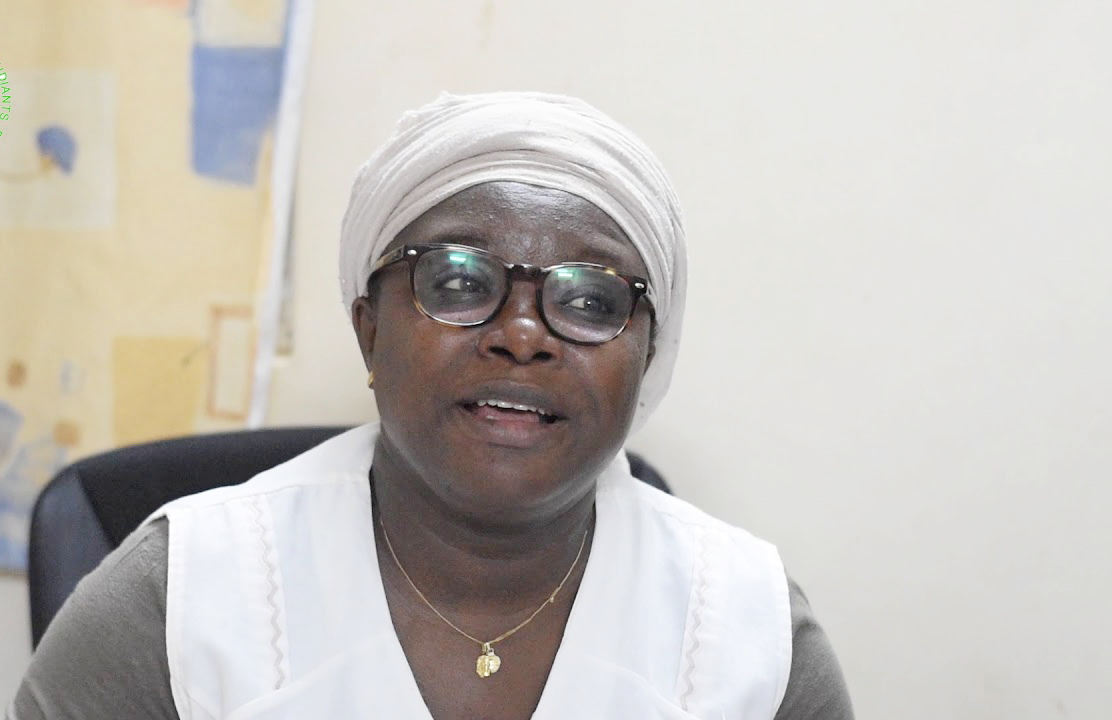
Extract from the article: A l’approche de la quarantaine ou la cinquantaine, les femmes subissent le processus de la ménopause, un ralentissement naturel de la fertilité ou la fin des cycles menstruels. Pour comprendre le phénomène, Santé-Education a rencontré Dr. Dédé Kafui
« If the menopause is inevitable, we can limit the discomfort »
As
women approach their forties or fifties, they undergo the menopause process, a
natural slowdown in fertility or the end of menstrual cycles. To understand the
phenomenon, Santé-Education spoke to Dr Dédé Kafui Améwoui, an
obstetrician-gynaecologist who runs the Group Medical Clinic in Agoè-Logopé.
Santé-Education:
What is the menopause? What are its symptoms?
Dr
Dédé Améwoui: The menopause is a natural physiological
phenomenon characterised by the cessation of menstruation and the end of the
possibility of natural procreation. It is said to be natural or physiological
when it occurs spontaneously, surgical when it follows surgery to remove the
ovaries, and iatrogenic when it is secondary to medical treatment.
The
menopause is preceded by a period known as the perimenopause. The signs are an irregular menstrual cycle,
sometimes very short, sometimes very long. Then comes the menopause itself,
marked by hot flushes that may be accompanied by dizziness, trembling, malaise,
night sweats and genitourinary signs.
What
is the maximum age for menopause? Are there any side effects?
The
menopause occurs physiologically between the ages of 45 and 55.The
peri-menopause is defined by the onset of abnormal cycles, the appearance of
climacteric signs and the complete cessation of ovarian activity. It occurs on
average at the age of 47 and lasts an average of 4 years. Early menopause is
defined as occurring between the ages of 35 and 45. A late menopause occurs
after the age of 55.The main side effects of the menopause are the cessation of
menstruation and the loss of the ability to procreate naturally.
What
are the different phases of the menopause? And how long does it last?
As
we said in the previous question, there is a period of disturbed cycles called
the peri-menopause, followed by the menopause proper or confirmed menopause. In
most cases, the confirmed menopause takes place in three phases: The first
phase is inconsistent and difficult to bear, characterised by shivering,
trembling, malaise and/or dizziness. A second phase with a sensation of heat,
starting in the chest and shoulders, then spreading to the neck and face, with
the onset of sweating. The resolution phase with hypersudation, palpitations
and a return to normal. It is important to note that these phases differ from one woman to another.
For some, they are more pronounced, while for others they are well tolerated
and may even go unnoticed.
Is there a treatment to avoid them? And what can
you do to get through this difficult period as well as possible?
As the menopause is a physiological situation,
there is no way of avoiding it. However, there is a menopause treatment whose
aim is to limit the discomfort associated with the symptoms on the one hand and
to prevent the onset of pathologies due to the suppression of hormone
production on the other.These include osteoporosis, cardiovascular disease,
endometrial and breast cancer. These treatments begin with a healthy lifestyle,
a healthy diet, regular physical activity, often with the use of hormone-based
medicines or dietary supplements. Not forgetting specialist medical consultation.
Interview by Abel OZIH