
When should I see a psychologist or psychiatrist?
- Posted on 07/02/2023 12:49
- Film
- By abelozih@sante-education.tg

Extract from the article: When is it advisable to make an appointment with a psychologist? And what is the difference between a psychologist and a psychiatrist? Here are the explanations of Dr Zinsou Selom Degboe, Clinical Psychologist/Psychotherapist at the Clinic of Psychia
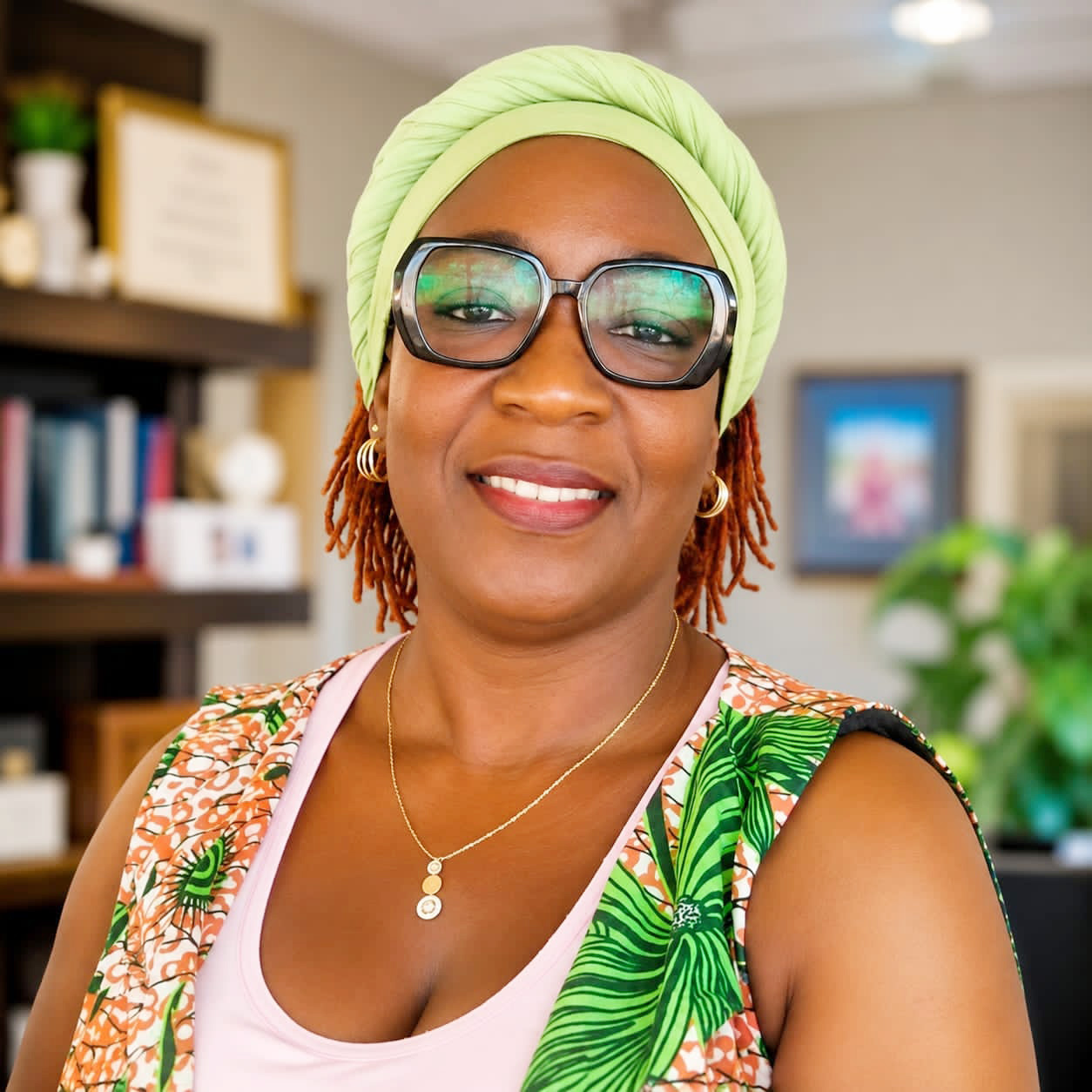
When is it advisable to make an appointment with a psychologist? And what is the difference between a psychologist and a psychiatrist? Here are the explanations of Dr Zinsou Selom Degboe, Clinical Psychologist/Psychotherapist at the Clinic of Psychiatry and Medical Psychology (CPPM) at the CHU Campus in Lomé.
You feel tired, overwhelmed, out of shape, you brood or eat your emotions and you can't get rid of negative thoughts or a simple recurring headache. It is surely time to make an appointment with a professional. « For example, you can turn to a psychologist. There is no need for a medical prescription to be able to consult. The psychologist is not a doctor. On the other hand, it is possible for a doctor to refer the patient to a psychologist or vice versa, after the first consultation », recommends Dr Zinsou Selom Degboe, Clinical Psychologist/Psychotherapist.
Psychologist and psychiatrist: what is the difference?
The psychologist and the psychiatrist differ in their academic
training. The Psy (psychologist) holds a BAC+5 (DESS or Master Pro) in the
science called psychology with a speciality to carry the title of psychologist.
Elsewhere, such as Canada, a doctorate is increasingly required to be a Psy and
to join the Order of Psychologists. Many psychologists hold a doctorate (8
years). The shrink (psychiatrist) has a doctorate in medicine (7 years) plus a
specialisation in psychiatry (4 years).
« If you hesitate to take the plunge, remember that the
psychologist is first and foremost a behavioural specialist and is there to
listen to you with benevolent neutrality and will not judge you. Above all,
there is no shame in consulting a professional. The objective is to free your
speech to simply unload emotionally. In short, it will allow you to put words
to your psychological or mental suffering », emphasises Dr Zinsou Selom Degboe.
The aim of the psychologist is to enable the patient to step back
and analyse things differently and to make a decision in order to continue
living healthily and to achieve life's objectives. Technically, this is a
non-pharmacological treatment. On the
other hand, the care is limited to talking, active listening and psychological
examination, a technicality par excellence of this professional.
For Dr Zinsou Degboe, « only doctors/psychiatrists treat
patients with medication. These drugs are still called « psychotropic
drugs » classified as anxiolytics (tranquillisers), hypnotics (sleeping
pills), antidepressants (mood stabilisers, thymoregulators, or normothymics)
and neuroleptics (antipsychotics). Both
specialists are mental health professionals and work in a complementary way for
the well-being of the patient ».
Of course, good care is based on active listening and clinical
observation. Also, in psychology as in psychiatry, there are many
specialisations according to age groups. There are child psychologists and
specialists in ageing disorders.
In addition to the clinical psychologist, there are work and
organisational psychologists, school and educational psychologists, etc. « When
faced with a mental pathology or one related to mental disorders, it is best to
turn to the clinical psychologist. The patient must feel comfortable and
confident to talk. If this is not the case, the professional can direct the
patient to another colleague who is more specialised in his or her difficulty »,
advises the Clinical Psychologist/Psychotherapist.
Abel OZIH