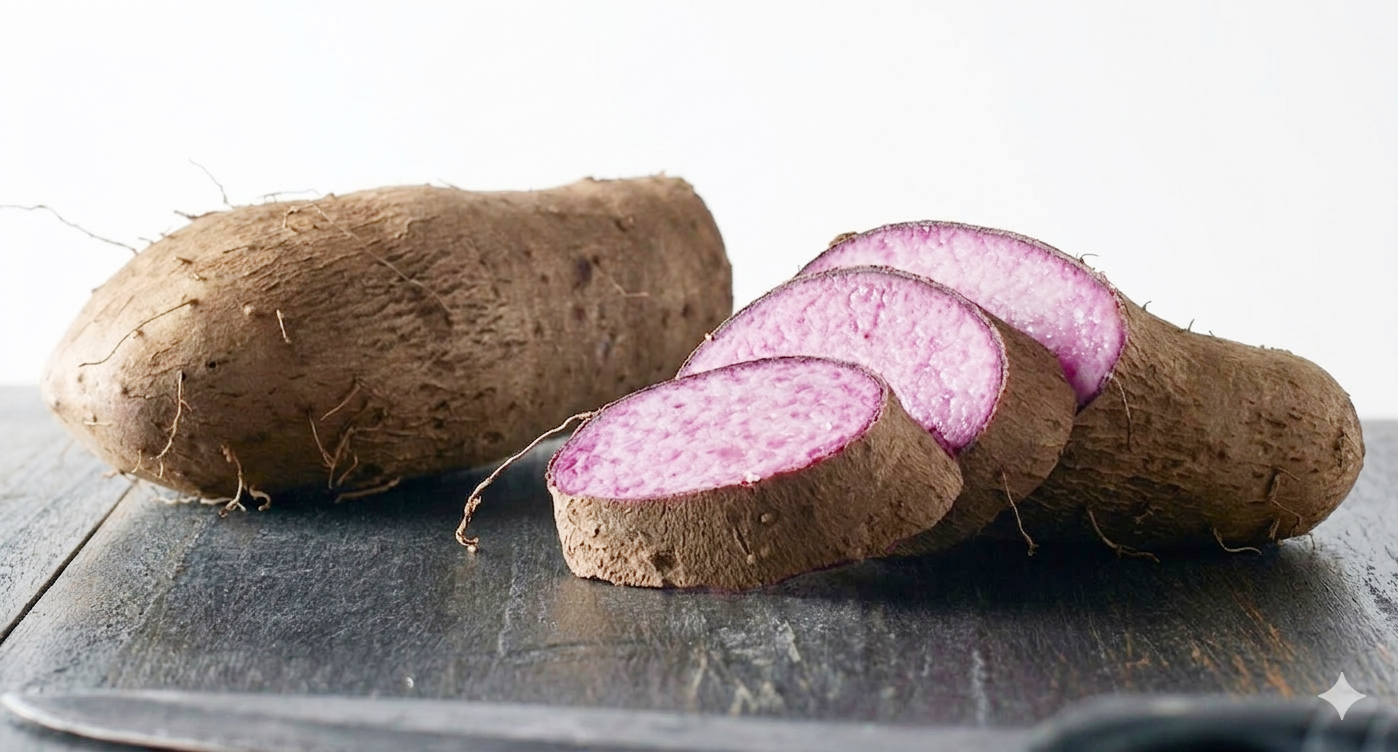

Too much « sakomi » and spaghetti: beware of being overweight
- Posted on 26/04/2023 20:27
- Film
- By abelozih@sante-education.tg
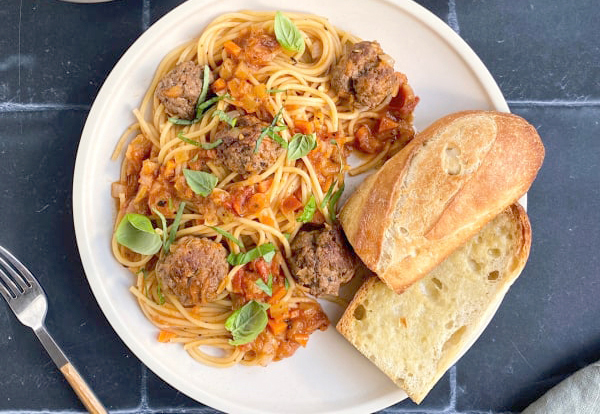
Extract from the article: A healthy diet is one of the keys to good health. A diet high in carbohydrates can cause a hormonal imbalance in the body and affect the production of leptin, insulin and other hormones. This has a negative impact on mental and physical health. Bread
A
healthy diet is one of the keys to good health. A diet high in carbohydrates
can cause a hormonal imbalance in the body and affect the production of leptin,
insulin and other hormones. This has a negative impact on mental and physical
health. Bread sticks commonly known as "sakomi" and spaghetti pasta
consumed in excess contribute to weight gain.
The
« sakomi » and spaghetti are an integral part of the daily diet of
some Togolese. But according to several nutritionists, these foods consumed in
excess are rather harmful to health, as they generally promote overweight and
obesity. Refined carbohydrates lead to high inflammation in the body. This also
affects cognitive functions. Weight gain is probably the most popular side
effect of eating too much baguette. According to a study published in October
2014 in the journal « BMC Public Health », people who consume
two or more slices of baguette daily, are more prone to obesity than
individuals who eat less.
How
are baguettes and spaghetti pasta made?
Most
types of bread are ultra-processed and nutrient deprived. This is because the
ingredients used to make spaghetti and bread are refined flour. Yet wheat flour
is extremely low in minerals and fibre. It also contains additives such as
insulin and beta-glucan, which often cause abdominal pain, bloating and gas.
Risks
of excess of these foods
When
bread is highly refined, it increases inflammation in the body and sometimes
leads to insulin resistance. A condition that is often a precursor to diabetes.
The link between high blood pressure and the consumption of white bread and
spaghetti is closer.
According
to the Centers for Disease Control and Prevention in the United States, bread
and spaghetti are the largest sources of sodium known to raise blood pressure.
In addition, 2018 research published in the journal « Nutrients »
found that just one slice of bread a week increases the risk of high blood
pressure. Eating too much white bread also promotes the development of
pre-diabetes.
The
main component of bread and spaghetti is so-called 'slow sugar', which enters
the bloodstream very slowly to build up a store of energy or calories. All this sugar stockpiling is seriously
damaging and weakens the body to the detriment of certain diseases such as
food-borne hepatitis or diabetes.
According
to nutritionists, excessive consumption of these foods is strongly discouraged
for young people between the ages of 30 and 35. This period is considered to be
a pivotal age when growth is at its peak. Since it is at this age that the
growth curve starts to decrease. Therefore, at this stage, dietary choice is
necessary.
Elom
AKAKPO
Article
validated by Kponou Matthieu Tobossi, Specialist in diet therapy