
Tomato leaves: reducing the effects of stomach ulcers
- Posted on 28/04/2023 13:25
- Film
- By abelozih@sante-education.tg
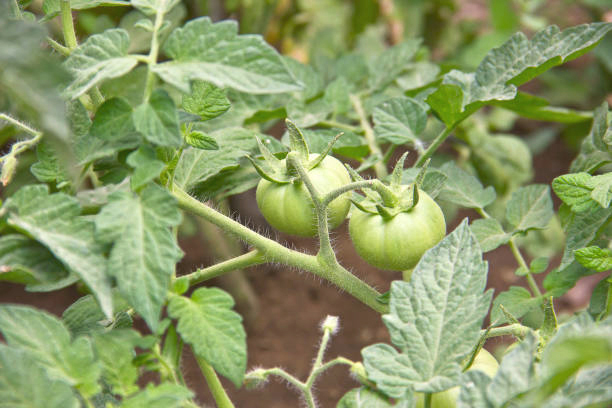
Extract from the article: The virtues of tomatoes are well known. But most people are unaware of the health benefits of tomato leaves. These leaves are often used in traditional medicine, especially to relieve the pain of stomach ulcers.
The
virtues of tomatoes are well known. But most people are unaware of the health
benefits of tomato leaves. These leaves
are often used in traditional medicine, especially to relieve the pain of
stomach ulcers.
Stomach
ulcer, also called peptic ulcer, is a deep wound that forms in the inner lining
of the stomach or in the first part of the intestine called the duodenum. It
results from chronic inflammation of this lining, promoted by the Helicobacter
pylori bacteria present in the digestive tract. It usually manifests itself as
heartburn, when the acidity is too high for the body to absorb. Tomatoes contain flavonoids that reduce
inflammation and speed up the healing of the stomach. This versatile plant
reduces excess acidity. In the study « Perception of the population of
Sékou (Ivory Coast) on the consumption of tomatoes produced with chemical
fertilisers », the Beninese scientist Naomie Pulchérie Akpo explained
the ways in which the people of the region use tomato leaves to treat diseases.
Tomato leaves are rich in potassium, manganese, copper, vitamins B3, B6, C, A,
E and K. They are aalso full of active ingredients such as lycopene, phenols
and carotenoids.
Recipe:
Take four (04) handfuls of organic tomato leaves, and four (04) litres of drinking
water. Boil tomato leaves in four litres
of water for about ten (10) minutes. Filter and take about a quarter of a litre
of this decoction three times a day (morning, noon and evening) for 3 days.
Also consult a doctor.
Other
health benefits
The
tribes of Papua New Guinea use the leaves as an antibiotic and anti-fatigue. A
decoction of the leaves accelerates the formation of sugar in the blood, thus
giving a boost of energy and protecting the liver. This is due to its content
of elements including sulphur. The leaves also have a positive effect on the
kidneys, as they contain potassium, which means a reduction in hypertension.
Raymond
DZAKPATA