

Fish and its health benefits
- Posted on 26/05/2023 14:23
- Film
- By abelozih@sante-education.tg
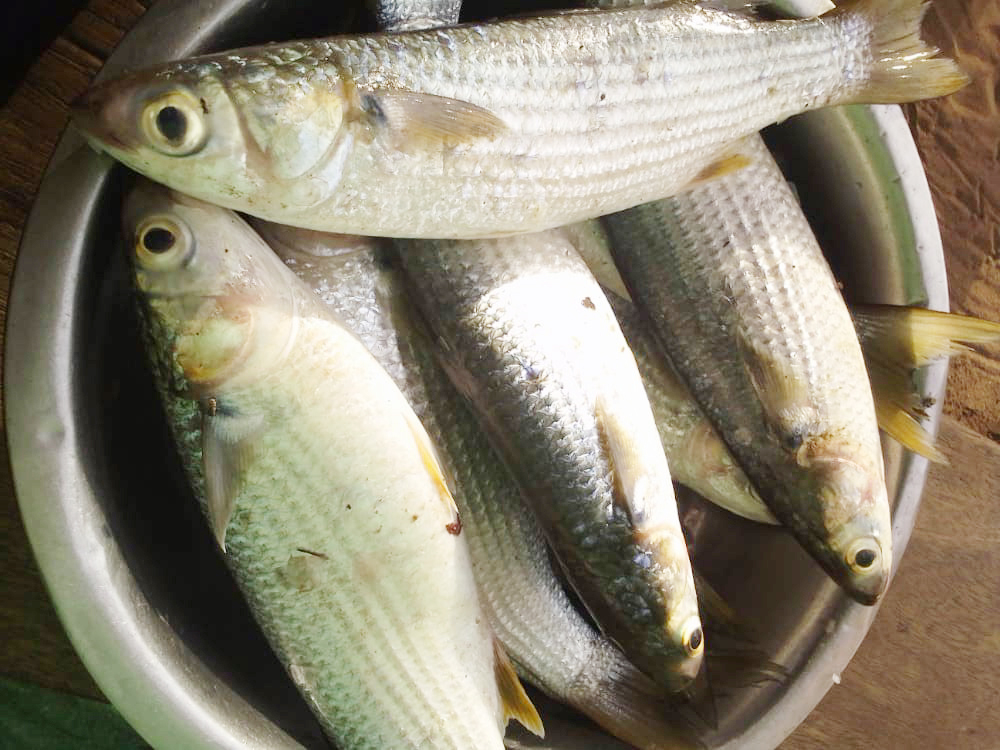
Extract from the article: Togolese people eat fish every day. It is reputed to be a health food. In addition to its delicious taste, fish has many health benefits. What are the best types, and how often should you eat them? Beware, preserving methods can degrade the nutrition
Togolese
people eat fish every day. It is reputed to be a health food. In addition to
its delicious taste, fish has many health benefits. What are the best types,
and how often should you eat them? Beware, preserving methods can degrade the
nutritional quality that fish should provide.
The
composition of fish varies from one species and individual to another,
depending on age, sex, environment and season. Different types of fish are
available on the market, including salmon, mackerel, anchovies, sardines and
herring. As we recommend eating 5 fruits and vegetables a day, for their
vitamin, mineral and fiber content, and for their low calorie content, or
starchy foods at every meal, for their complex carbohydrate content and the
satiating effect they provide, we recommend eating fish twice a week.
The
nutritional richness of fish
The
nutritional value of fish is well recognized. Fish contains lipids, fatty acids
(omega-3), proteins, amino acids, vitamins (vitamin D and E) and minerals
(selenium, iodine, magnesium, iron, copper). Fish are rich in omega-3 fatty
acids.
Omega-3
fatty acid is considered an essential fatty acid because the body can only
obtain it from food, as it is unable to manufacture it on its own. Omega-3
fatty acid is a polyunsaturated fat and is made up of two main fatty acids: EPA
(eicosapentaenoic acid) and DHA (docosahexaenoic acid).
These
different properties improve human health. « Fish is classified as a growth food.
And when we talk about growth foods, we mean foods that provide essential
proteins. Fish contains more than 20% protein, just like meat, which has 18 to
20% protein », explains Ms. Dapou Tchapo-Kondor, Nutritionist in Lomé.
« In addition to these proteins, fish provides elements such as
vitamins, mineral salts (calcium, iodine, etc.) which are essential
micronutrients for good health, but which are found in very small quantities in
the body and which the latter cannot synthesize, requiring external
contributions. Oily fish also contain fatty acids such as vitamin A and vitamin
E. Cod liver oil is a good example », adds the nutritionist.
No
matter how it's caught, fish is an important part of the human diet. Whether eaten fresh, smoked, grilled or
fried, fish provides minerals and other vitamins.
Proven
health benefits of fish
Eating
fish can help protect the body against heart disease, high cholesterol and high
blood pressure. Fish has neuroprotective properties, helps support good mental
health, and protects joints.
This
food helps reduce the risk of certain cancers, notably colon, breast and
prostate cancer. « Fish is generally considered to be one of the best
foods you can eat for a healthy heart. Many large observational studies have
shown that people who eat fish regularly seem to have a lower risk of heart
attack, stroke and death from heart disease », says Dr. Francine
Ayessou-Komla, Living Foods Nutritionist. As fish is rich in omega-3 fatty
acids, it is essential for the development and health of the brain and eyes.
Pregnant and breastfeeding women should make sure they eat enough omega-3-rich
foods, such as fish. Pregnant women should also avoid raw, uncooked fish, as it
may contain micro-organisms that can harm the fetus.
According
to Nicola Shubrook, Chartered Nutritionist nscrite to the British Association
for Nutrition Life style Medicine, fish consumption is linked to a reduced
decline in brain function in old age. « People who eat fish regularly
also have more grey matter in the brain centers that control memory and
emotion. Studies have shown that people who eat fish regularly are much less
likely to suffer from depression. Fish is the only good dietary source of
vitamin D. This important vitamin actually functions as a steroid hormone in
the body, and a large proportion of the Togolese population is deficient in it »,
she informs.
Several
studies have found that consuming the omega-3 oils in fish reduces the risk of
type 1 diabetes in children, as well as the autoimmune form of diabetes in
adults. Fish can help prevent asthma in children and protect vision as we age.
People who eat more fish have a much lower risk of developing macular
degeneration, one of the main causes of visual impairment and blindness. Fish
can also improve sleep quality.
Children
and fish consumption
Children can eat fish and cooked seafood
(shrimps, mussels, etc.) as soon as they start eating complementary foods.
However, it's best to wait until they're 2 years old before offering them other
types of fish. Fish generally contains
less fat than meat, and the fat it does contain is good fat (including
omega-3). Omega-3s support the
development and functioning of children's brains and eyes. As children's brains
reach adult size by the age of 5 or 6, fish should be an important part of
their diet. Omega-3s also reduce the risk of cardiovascular disease.
« It
is recommended that children be given fish to eat twice a week, and that the
fish served be varied so that toddlers consume a greater variety of nutrients »,
recommends Ms. Dapou Tchapo.
Those
who should eat no more than two portions of oily fish a week are: girls, women
planning a pregnancy and pregnant and breastfeeding women.
To
reduce the risk of choking, remove all bones by gently cutting the fish into
small pieces before serving to the child.
Is
it safe to eat smoked fish?
Nutritional
degradation can be seen in the methods used for smoking. « If fish is
placed in direct contact with fire, it can destroy certain nutrients, including
vitamin A and iodine. The latter are heat-sensitive nutrients, meaning that
excess fire can destroy both. During smoking, water and fat are released from
the fish. The water in the fish contains trace elements such as calcium, sodium
and iodine. As a result, there is a loss of nutritional value. Apart from this
loss, non-nutritious objects are often used to smoke fish, such as plastic bags
and used tires, which can be carcinogenic », explains Ms. Dapou
Tchapo.
Can
frozen fish suffer nutritional degradation compared to fresh fish?
« The
nutritional quality of frozen fish decreases considerably when it comes from
freezing. Deep-freezing does not
preserve omega-3, a nutrient that is extremely sensitive to freezing. They
disappear after 6 months. After this period, the fish is not dangerous to eat,
but it loses a good number of nutrients, notably omega 3, iodine and flavor.
The best solution would be to buy it fresh and freeze it yourself, and eat it
within a month », says Dr. Francine Ayessou-Komla, a
nutritionist specializing in living foods.
According
to a study by the Institute of Foods and Drugs Administration, fish should be
frozen for 6 to 8 months without breaking the freezing chain. « Unfortunately,
transport conditions require thawing and then refreezing again. This favors or
leads to a loss in the nutritional value of frozen fish », adds Ms.
Dapou Tchapo.
What
about canned fish?
Canned
fish, such as mackerel and sardines, can still retain their vitamin D and omega
3 content. « As there is no air in cans, the omega-3s remain present.
Unfortunately, histamine levels become high because of the method or mode of
preservation. You also have to take into account the canning conditions and the
expiration date », explains Ms. Francine Ayessou-Komla.
Gamé
KOKO & Raymond DZAKAPATA